

National awards boost MIND Center-Mayo Clinic efforts to better predict dementia risk
Two new research collaborations between the University of Mississippi Medical Center MIND Center and Mayo Clinic could help doctors better predict patients’ risk of dementia and guide decisions about future care.
The international dementia risk prediction initiative and a $23 million NIH U19 sponsored award are two separate initiatives that complement each other by advancing research into the causes of cognitive decline and improving the ability to identify individuals at risk. They also bring doctors closer to detecting dementia earlier, when intervention may be most beneficial.
Researchers will follow thousands of people over time, using blood tests, brain images and health information to develop tools that could estimate an individual’s risk of memory loss or dementia.
The first award places The MIND Center-Mayo Clinic team among only four selected for an international research initiative supported by Alzheimer's Research UK, Gates Ventures, the Robertson Foundation, the Alzheimer's Disease Data Initiative and Q Charitable Trust.
Dr. Gwen Windham, director of the Neuroepidemiology Research Core of The MIND Center, said the team aims to assess individual risk rather than rely mainly on estimates for large groups.
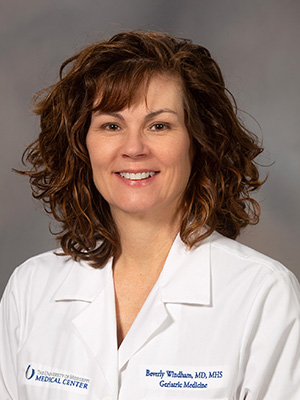
"What differentiated us most was our ambition to move beyond traditional population-level estimates and develop personalized, absolute risk predictions for cognitive impairment and dementia," Windham said.
She said the question for patients and families is straightforward: What is my risk of developing memory and thinking problems or dementia?
The team will study years of health data and biomarkers, specifically measurable signs in the body that may indicate disease.
The project draws on long-term studies at The MIND Center, Mayo Clinic in Rochester, Minnesota, and sites in Spain and Australia. More groups may be added.
Experts say that studying people with different backgrounds, health conditions and lifestyles could help researchers develop tools suited to patients who doctors see every day. That matters because heart and blood vessel problems, other illnesses and changes in the brain may affect people’s risks in different ways.
"No single institution has access to all the expertise, populations and datasets needed to answer these questions," Windham said. "By bringing together researchers and cohorts from multiple sites, we can study more diverse populations and develop estimates and tools that will be applicable to diverse patient populations."
If successful, the tools could help doctors identify higher-risk patients sooner, discuss possible interventions and connect eligible people with clinical trials as blood-based Alzheimer’s tests become more widely available. The hope is to give families clearer information while there may still be time to plan monitoring, treatment and care.
First, researchers must show the tools work reliably throughout populations and in everyday care.
The second award, a $23 million NIH U19 grant, will expand the partnership’s aging research.
It will unite the Mayo Clinic Study of Aging and the UMMC MIND Center-Mayo Clinic Study of Aging in a program involving about 5,000 participants over both sites. About 2,000 are expected to enroll during this phase of the study and be followed in Mississippi.
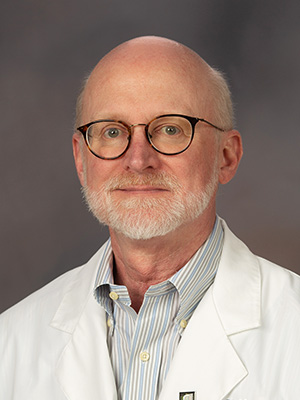
"The goal is to better understand who is at risk for developing memory loss and dementia, why that risk differs from person to person, and how we can identify those at risk early enough to intervene," said Dr. Thomas H. Mosley, the Robbie and Dudley Hughes MIND Center Chair and director of The MIND Center.
Unlike studies that recruit participants from specialty clinics, these projects include people living in the community. They offer a broader view of brain health as people age. Researchers can then compare changes of people with different health histories, rather than relying only on those already seeking specialized care.
Researchers will use blood tests, brain imaging, memory assessments, and health and lifestyle information to study Alzheimer’s and cerebrovascular disease. These conditions affect blood vessels in the brain and can contribute to cognitive decline.
Alzheimer’s-related brain changes and vascular disease often occur together and can potentially increase memory and thinking problems.
Mayo Clinic contributes clinical, imaging and biomarker research experience. The MIND Center brings expertise in aging and cardiovascular risks, including work on the Atherosclerosis Risk in Communities, or ARIC, study, now in its 39th year of funding.
A U19 grant supports related projects and specialized teams. At UMMC, it brings together clinical research, brain imaging, laboratory testing, statistics and data science expertise.
The sponsored funding also expands opportunities for Mississippians to participate in dementia research.
One current participant is Dr. Alfred Martin Jr., a Jackson environmental entrepreneur and longtime volunteer who believes research depends on people who are willing to take part.
Martin joined about a year ago, among the study’s early volunteers, and has completed his first assessments.
"I think anything that we can do to help with the study of aging, to help understand what causes cognitive brain disease, is really important," Martin said. "I was one of the first ones, I think, to raise my hand because I wanted to be a part of this study."
The commitment is personal. Martin and his wife lost his mother-in-law several years ago to Alzheimer’s-related complications. The couple also supports the MIND Center financially, including its research facility expansion.
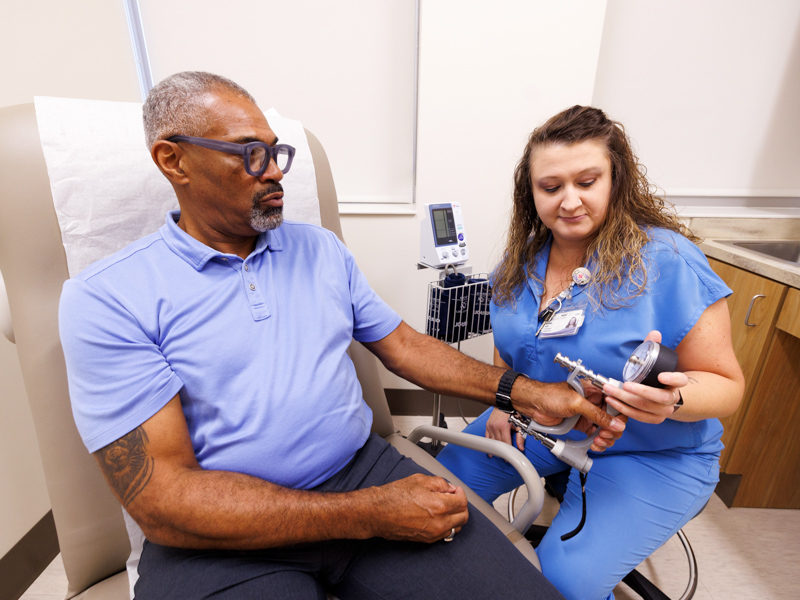
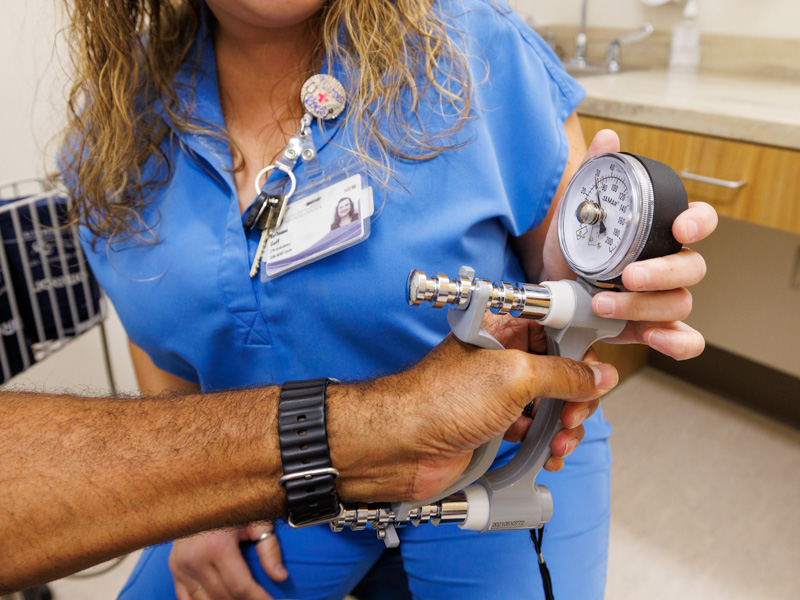
Participants complete memory exercises, health and lifestyle questionnaires, and physical assessments. Some wear monitors that track movement and rest. During one exercise, participants study a drawing and then reproduce it from memory, giving researchers another way to assess thinking skills.
Following participants over time may reveal how health and behavior relate to cognitive decline.
Martin, who serves in an advisory capacity, encourages people of different backgrounds to participate so findings can benefit more communities.
"It’s important. I think the study has more impact if we can have a really diverse group of participants," Martin said.
For Martin, each assessment contributes to a larger effort to understand dementia.
"The more research we have, the more information we have, the better opportunity we have to really study and understand what causes cognitive brain disease, such as Alzheimer's," he said.
Mosley said NIH funding will expand participation, community education and outreach in Mississippi. The goal is to recognize early brain changes and learn who might benefit from intervention before major memory problems appear.
"The MIND Center's Study of Aging was developed around the same broader mission of improving prevention, earlier diagnosis and preservation of brain function as people age," Mosley said. "This project allows us to expand those efforts."
The funding also arrives as The MIND Center prepares to expand its footprint into a new facility.
The Fred R. Adams, Jr. MIND Center and Geriatric Clinic will provide space for patient care and research involving blood biomarkers and brain imaging.
Together, the grant and new facility will support a larger Study of Aging.
"These awards reflect growing recognition of The MIND Center as a leader in Alzheimer's disease and aging research," Mosley said. "They highlight the strength of our science, our ability to build successful collaborations, and our commitment to translating discoveries into better patient care."