


Faculty earn national recognition in research, education

Medical Center faculty and staff often are recognized regionally, nationally and internationally for their academic or medical achievements. These accolades place UMMC among health science centers worldwide.
– – –
Wallace honored as visionary in women’s health research
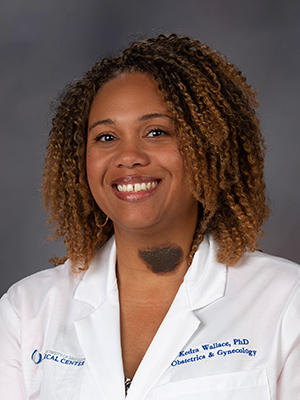
Dr. Kedra Wallace, professor of pharmacology and toxicology, has been named a Women’s Health Visionary by the Society of Women’s Health Research.
The national nonprofit recognized Wallace for contributions to research that aim to improve health outcomes for pregnant and postpartum women and her work in uterine fibroids.
“Dr. Wallace is also being recognized for her roles in SWHR’s original uterine fibroids and endometriosis working groups, which have informed the development of core SWHR resources in each of these spaces,” according to a release from the organization.
Wallace has authored or co-authored more than 100 peer-reviewed publications including the Systematic Treatment and Management of PostPartum Hypertension study, or STAMPP. The 2021 study looked at 250 women in Mississippi who’d recently given birth and showed signs of preeclampsia, a dangerous spike in blood pressure that strikes 1 in 25 pregnancies worldwide.
“I’m honored to have been selected for the award and for the opportunity to bring more awareness to the reproductive health issues that plague so many women in Mississippi and in the Deep South in general,” Wallace said. “We are all connected to reproductive health in some way. By prioritizing research, awareness and community engagement in this area, we are working toward a healthier Mississippi.”
A member of the UMMC School of Medicine faculty, Wallace has served previously in several leadership roles over the past 16 years, including associate dean for academic and faculty affairs in the School of Population Health and program director of the Master of Science in Clinical Investigation graduate program.
She holds a Bachelor of Science in biology from Millsaps College and a Master of Science in pharmacology and toxicology and a PhD in neuroscience, both from UMMC.
– – –
Compretta champions nutrition education in national role
The University of Mississippi Medical Center is partnering with the U.S. Department of Health and Human Services to strengthen nutrition education for the next generation of medical professionals, amid reports that diet-related chronic diseases claim the lives of about 1 million Americans each year.
UMMC has been selected as an “initial nutrition education champion” for medical schools throughout the country in response to staggering statistics showing that diet-related chronic diseases account for nearly 60 percent of deaths in the United States. The U.S. also spends more than $4.4 trillion annually on chronic disease and mental health care, according to published reports.
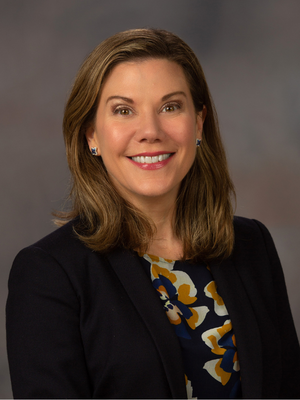
Dr. Caroline Compretta, assistant vice chancellor for research and professor of preventive medicine, will serve as UMMC’s faculty champion at the national level. She represented the Medical Center in Washington, D.C., on March 5, during the official announcement.
“This recognition from HHS affirms the work UMMC is already doing to integrate nutrition into medical education,” Compretta said. “It also underscores the importance of preparing future physicians to use nutrition as a powerful tool for prevention and treatment as we work toward healthier communities.”
HHS is inviting medical schools nationwide to incorporate at least 40 hours of nutrition education into their curricula beginning in fall 2026. UMMC is exploring ways to meet this goal through a competency-based equivalent.
The department is calling for proactive solutions, emphasizing that improvements in diet, nutrition and metabolic health are urgently needed to produce meaningful health outcomes and support healthier lifestyles.
To help address the challenge, HHS is highlighting UMMC’s ongoing efforts in nutrition education. The Medical Center has long incorporated an integrated nutrition program into its medical curriculum and continues to expand this work through a comprehensive approach that includes hands-on learning in its state-of-the-art teaching kitchen.
The need for stronger nutrition training is significant. A 2024 report found that 75% of U.S. medical schools do not require clinical nutrition courses, and only 14% of residency programs include required nutrition curricula.