


UMMC hears hospital patients' voices through survey
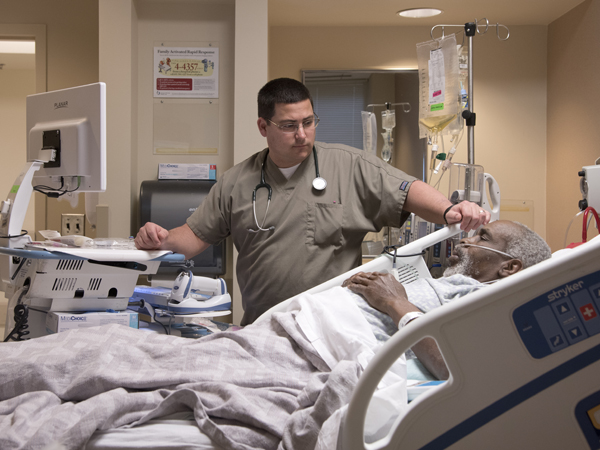
Patients at the University of Mississippi Medical Center are the most important people in the hospital system, and without patients, most of the 10,000 UMMC employees would not be working there.
Leaders in quality, safety and performance at the Medical Center want patients' voices heard, both during their hospital stay and after they return home. It is a federal requirement that hospitals seek patient input through a standardized satisfaction survey mailed after discharge.
But only 18 percent of UMMC hospital patients return the survey, well below the national average of 30 percent. Chief Medical Officer Dr. Michael Henderson and his team are working to increase that number by changing survey vendors and educating front-line caregivers to encourage patients to complete the form once it arrives.
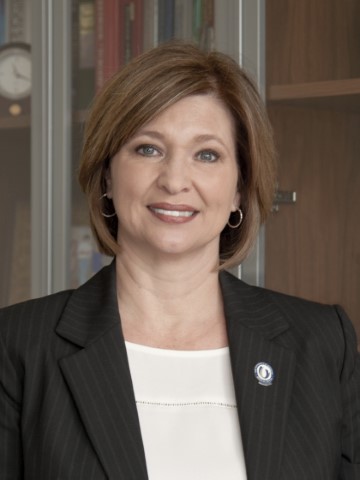
"We want to hear from our patients and to listen to their compliments or concerns," said Dr. LouAnn Woodward, vice chancellor for health affairs and dean of the School of Medicine. "Each survey that's mailed back to us counts. It is important for us to know where patients think we can improve."
All hospitals are required to use the Hospital Consumer Assessment of Healthcare Providers and Systems survey through an approved vendor. The survey includes 28 questions focused on communication and interaction between providers and patients.
"The feedback to us is invaluable for identifying opportunities to improve patient care," Henderson said.
This year, UMMC transitioned to a new vendor, Press Ganey, whose model emphasizes listening to patient feedback and using it to drive improvements in the overall patient experience.
When patients are discharged, they should be told their feedback is important and that they will receive a survey in the mail. They should also understand that UMMC will use their input to guide improvements, Henderson said.

"Patient satisfaction surveys are incredibly important to us for a number of reasons," said Kevin Cook, chief executive officer of University Hospitals and Health System. "It's not just publicly reported data that will impact our reimbursement. Patients remember the emotional care they receive in the institution, and that's what they will talk about to their friends and families."
"Patients don't want just to be cared for. They want to be cared about," Cook said. "It only takes one poor interaction in the experience for them to have a critical review. Patients need to feel like they're the only patient. While they can't always distinguish between good and great clinical care, they can absolutely tell the difference between good and great emotional care."
Henderson's message to caregivers is simple: "Please let families and patients know that feedback about their hospital visit is important to us," he said. "Without hearing from them, it's hard to improve."
"We will all be a patient one day," Henderson said. "How do you want to be treated? It's important that your voice be heard."