


See, Test and Treat offers free cancer screenings for uninsured, underinsured
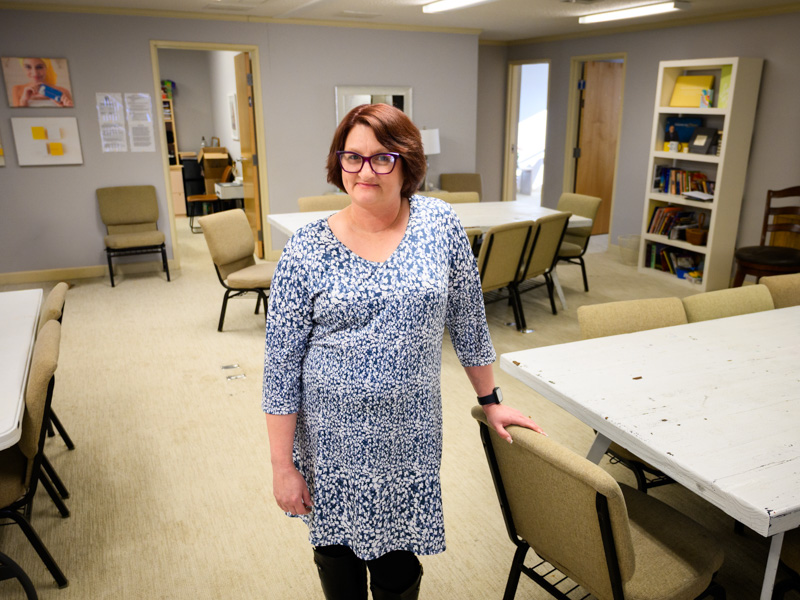
As operations director of Crossroads Ministries in Canton, Rena Pafford encourages women participating in the post-prison nonprofit to apply for free cancer screenings at the University of Mississippi Medical Center during See, Test and Treat. In 2025, she decided to apply, too.
That’s where her breast cancer journey began.
“Everything else was fine,” she said, “but they saw something on my mammogram. This is why cancer screenings are so important.”
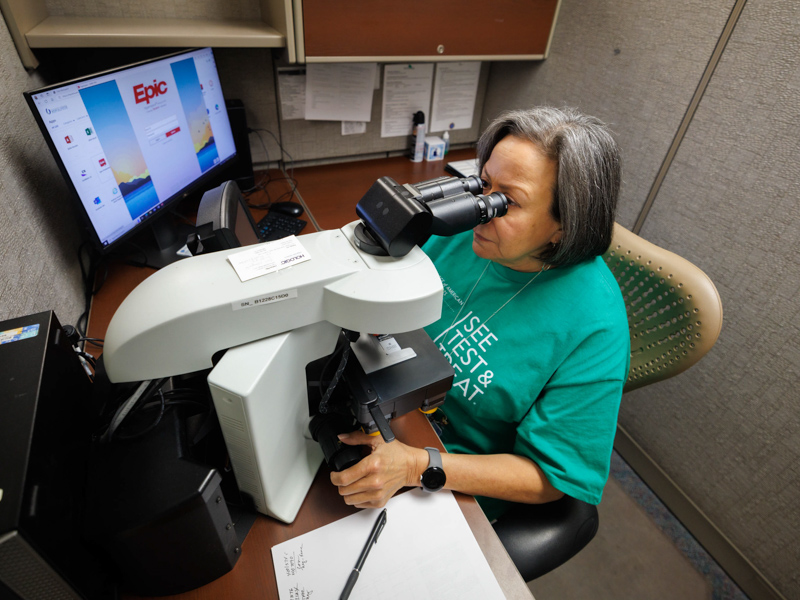
Hosted by the UMMC Cancer Center and Research Institute and the College of American Pathologists, See, Test and Treat will provide cancer screenings for uninsured and underinsured men and women April 11 at the UMMC Pavilion, located on the UMMC campus at 1410 East Woodrow Wilson Ave.
Starting on Feb. 9, those interested can apply online or call 601-815-3572 to determine eligibility. Callers will be prompted to leave a voicemail. After reviewing information, UMMC representatives will let applicants know if they qualify for free cancer screenings.
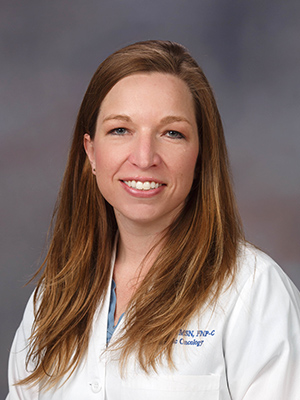
"We’re making a difference in Mississippians’ health by offering these cancer screenings, which can be lifesaving,” said Bethany Sabins, a nurse practitioner in gynecological oncology who has been part of See, Test and Treat since 2017, its first year at UMMC. “When cancer is detected early before it has spread, outcomes are improved.”
Pafford, of Ridgeland, returned to the UMMC Cancer Center and Research Institute for care, undergoing a biopsy, then lumpectomy, radiation and the anti-cancer drug Letrozole. She continues to see CCRI doctors for follow-up care.
“Early detection gave me options and hope, and that’s why programs like this matter so much,” she said. “They truly save lives.”
The inaugural See, Test and Treat at UMMC started with free screenings for breast and cervical cancers, but tests have expanded to cover additional testing for men and women.
Free cancer screenings offered this year include:
- Cervical cancer screening (Pap test), ages 21 – 64
- Mammogram (age appropriate), ages 40 – 64
- Oral cancer screening – ages 21 – 64
- Lung screening – ages 50-80, current or former smokers, are eligible for low-dose CT screening exams.
Light refreshments, health information and access to community resources will be available
Results from See, Test and Treat screenings will be provided promptly, and clinicians will be on site to discuss any findings and answer questions related to follow-up care.
Dr. Varsha Manucha, professor of pathology and section director for the Division of Cytopathology and lead pathologist for the screening event, said See, Test and Treat’s testing can lead to early diagnosis of cancer, when it is at its most treatable.
“After successfully leading See, Test and Treat for the past seven years, the Department of Pathology remains a strong pillar of the program and continues to play a key role in its implementation,” she said. “It has been my honor and privilege to lead this initiative, which has enabled us to screen hundreds of for uninsured and underinsured women for breast and cervical cancer. With full support from the UMMC Cancer Center and Research Institute (CCRI), See, Test and Treat has gained added flexibility to modify and expand services. This partnership allows us to better meet the needs of the population we serve, making this a truly meaningful event.”

Dr. Rod Rocconi, director of CCRI, said the annual program reflects UMMC’s commitment to removing barriers to care in the state.
“By offering free, high-quality screenings to uninsured and underinsured individuals, we’re helping detect cancer earlier and connecting patients to the care and resources they need,” he said.
Dr. Lisa Haynie, professor of nursing, said See, Test and Treat can put patients at ease with testing.
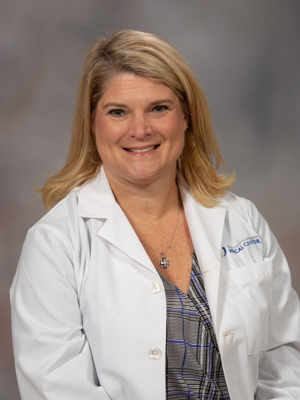
“See, Test, and Treat gives patients the knowledge and confidence to take control of their health,” she said. “For many Mississippi women, it eases long-standing fears about Pap tests, mammograms, test results and what happens next if something abnormal is found. The event also addresses a major barrier to care — cost — by providing on-site support to help patients navigate follow-up care and find insurance options that meet their needs.”
The difference See, Test and Treat makes in patients’ health drew Haynie to the event in 2017.
“I have been involved since the event’s inception because I have witnessed firsthand how it empowers women, removes barriers and opens doors to lifesaving preventive care across our state,” she said.