


UMMC experts explain what to know about gastrointestinal illness
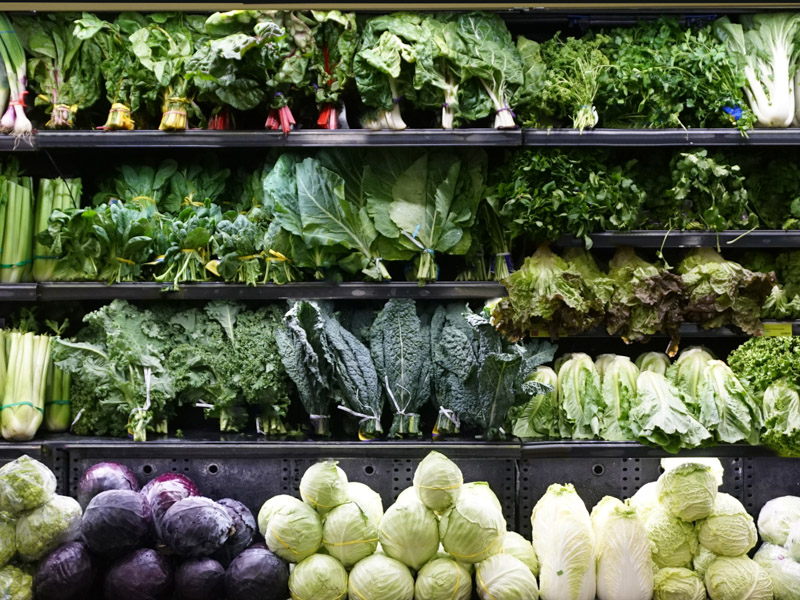
Recent cases of the intestinal illness cyclosporiasis have been confirmed in Mississippi as part of a nationwide outbreak linked to contaminated food.
The illness is caused by Cyclospora cayetanensis, a microscopic parasite that infects the intestines after people consume contaminated food or water. Once inside the body, the parasite can cause severe gastrointestinal illness.

Dr. Thomas Dobbs, dean of the John D. Bower School of Population Health at the University of Mississippi Medical Center, said one of the hallmark symptoms is severe, explosive diarrhea.
The Centers for Disease Control and Prevention is investigating a multistate outbreak of cyclosporiasis. According to the agency, many of the reported infections have been linked to shredded iceberg lettuce served at Taco Bell restaurants in Indiana, Kentucky, Michigan, Ohio and West Virginia.
The Mississippi State Department of Health has confirmed five cases across public health districts in the Delta, central Mississippi, southern Mississippi and the Gulf Coast. At this time, none of the state's reported cases has been linked to the multistate outbreak under investigation.
Still, because of the nation's interconnected food distribution system, Dobbs said Mississippians should remain aware of the potential risk.
"It is really a human pathogen," Dobbs said. "Contaminated water on crops or contaminated water that people are drinking are ways people can come into contact with this infection. It can also be found in streams or natural water sources."
Unlike many foodborne illnesses that cause symptoms within hours, cyclosporiasis has an incubation period of several days before symptoms appear. Common symptoms include diarrhea, loss of appetite, fever, weight loss, abdominal cramping, bloating, increased gas, nausea, dehydration and fatigue.
Dobbs said the illness can become serious enough to require hospitalization, and without treatment, symptoms may last for weeks.
Fortunately, there are steps people can take to lower their risk of infection. State health officials recommend washing hands with soap and water before and after handling raw fruits and vegetables. Cooking produce thoroughly kills the parasite, although preventing contamination on raw produce can be more challenging.
"If you are cooking vegetables at high heat, your food will be fine because it would destroy the organisms," Dobbs said. "But in this setting for leafy greens, certainly rinsing them with clean water, spinning them off and being very thorough, will help. Sometimes it is hard to avoid an infection even with washing."

Unlike viruses such as influenza or COVID-19, cyclosporiasis does not spread from person to person. Instead, Dr. Jorge Vidal, director of the Center for Immunology and Microbial Research at UMMC, said the parasite is typically transmitted through food or water contaminated with human feces.
Vidal noted that cyclosporiasis is not a new illness and has been responsible for multiple foodborne outbreaks in the United States since the mid-1990s.
"A notable example is the 1996 multistate outbreak reported in the New England Journal of Medicine, in which more than 1,400 cases were identified across 20 states, the District of Columbia and two Canadian provinces," Vidal said. "The illnesses were associated with 55 events held between May 3 and June 14 and were traced to consumption of imported raspberries from Guatemala. Such seasonal outbreaks, typically occurring in late spring and summer, continue to occur and are often linked to contaminated fresh produce such as raspberries, cilantro, basil and salad mixes."
Although Mississippi has reported only a handful of confirmed cases, Dobbs believes the true number of infections is likely much higher because many people never seek medical care or undergo testing.
"In my previous work in similar areas and working with the CDC as well, it seems like one percent of cases get reported," Dobbs said. "So, if you consider we have over 4,000 reported cases nationwide, there are probably at least 10 times more cases than that."
Public health surveillance suggests that the current outbreak may have been ongoing since May.
People experiencing persistent diarrhea or other symptoms should contact their health care provider. A stool test can confirm the diagnosis, and most patients with cyclosporiasis can be successfully treated with antibiotics.
As the growing season changes and the current outbreak subsides, Dobbs hopes the number of infections will begin to decline.