


UMMC’s FY26 sponsored funding tops $103 million, fuels statewide impact
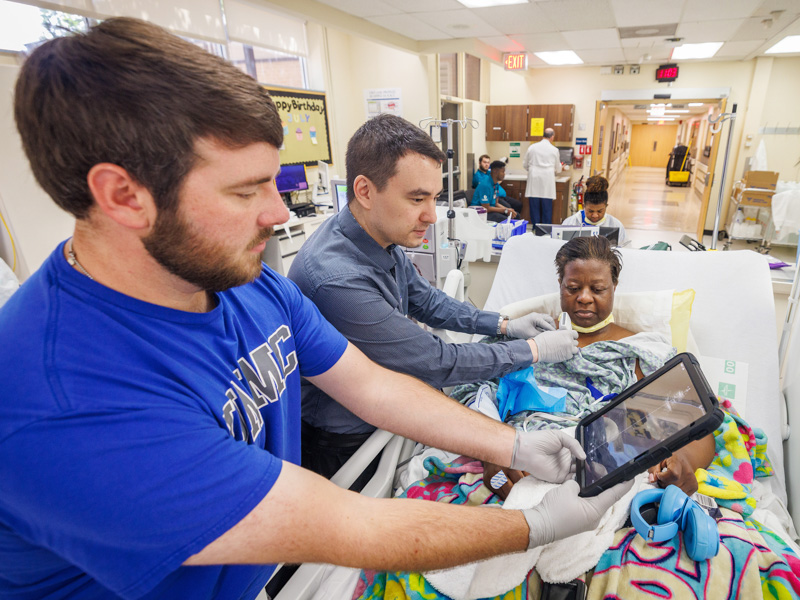
Research and sponsored program activity at the University of Mississippi Medical Center remained strong in fiscal year 2026, with investigators securing more than $103.3 million while advancing programs ranging from rural telehealth and medical education to cardiovascular and clinical and translational research.
Data from the Office of the Associate Vice Chancellor for Research show UMMC received funding through 303 awards during FY26. Nearly half of the total – $49.7 million – came from the National Institutes of Health, the nation’s largest public funder of biomedical research.
The continued success aligns with UMMC’s 2030 Strategic Plan and its priority to “Foster Excellence in Research,” building on the Medical Center’s commitment to strengthening research programs and improving the health and well-being of Mississippians.
UMMC investigators submitted 373 proposals during the fiscal year and produced 962 publications. The Medical Center also activated 44 clinical trials – 35 industry-funded and nine cooperative group-funded – reflecting efforts to translate scientific discoveries into potential treatments and interventions that can improve patient care.
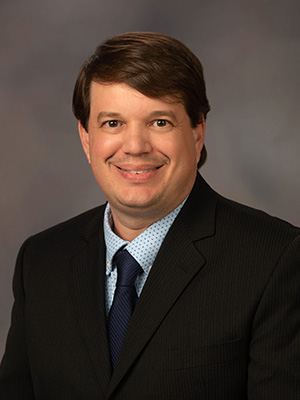
“Surpassing $103 million in research funding demonstrates the quality of the science and research taking place at UMMC,” said Dr. Lee Bidwell, associate vice chancellor for research. “Our investigators and research teams are committed to excellence, and these awards provide valuable resources to advance discovery and improve health.”
With approximately 48% of its FY26 sponsored funding coming from the NIH, the state’s only academic medical center continues to demonstrate its ability to compete nationally for highly sought-after federal research dollars.
“Funding from the National Institutes of Health is significant because of the rigorous competition for those resources, and I’m proud of our investigators’ resilience in maintaining our NIH funding levels during the most challenging federal funding environment any of us have experienced,” Bidwell said.
Among UMMC’s largest FY26 sponsored awards are programs extending specialized care into rural communities, expanding mental health services, preparing physicians for rural practice, sustaining cardiovascular research and building infrastructure to move discoveries toward patients.
Two of the five largest awards are led by Dr. Saurabh Chandra, chief telehealth officer and professor of medicine.
A $4.25 million award for UMMC's Telehealth Center of Excellence, one of only two federally recognized telehealth centers of excellence in the nation, supports innovative approaches to improving health care access, particularly in rural and underserved communities. Designated by the Health Resources and Services Administration in 2017 and 2021, the center was redesignated in September 2026.
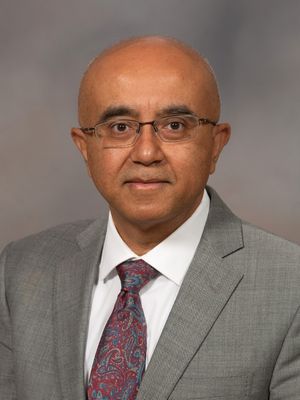
Chandra describes the center as both a “laboratory and a lighthouse” – developing and evaluating telehealth models while translating findings into evidence and practical guidance that other health care organizations can use.
During FY26, the center expanded and evaluated services at Copiah County Medical Center, Greenwood Leflore Hospital and Magee General Hospital, connecting rural clinicians with critical-care expertise and serving more than 280 patients.
In another project, virtual rehabilitation allowed patients recovering from ACL surgery to begin physical therapy remotely. Across 25 sessions, patients avoided more than 2,200 miles of travel, with high satisfaction and no major adverse events. The team is now preparing to move toward clinical implementation.
“These efforts allow UMMC to not only expand access to care through individual programs but also build the evidence and share the knowledge needed to advance telehealth in rural and underserved communities nationwide,” Chandra said.
A $3.46 million award supports UNITE — the Universities Network of Integrated Telemental Expansion Clinic, also led by Chandra. The statewide program connects students at Mississippi’s eight public universities, as well as UMMC, with free, confidential mental and behavioral health services delivered through the Center for Telehealth and Emerging Technologies.
Another major award focuses on developing Mississippi’s future physician workforce.
A $3.97 million Value-Based Medical Student Education Training Program award is led by Dr. Loretta Jackson-Williams, vice dean for medical education. The program supports IMPACT the RACE – Improved Primary Care for the Rural Community through Medical Education, an initiative funded by the Health Resource and Services Administration, or HRSA, which is designed to strengthen connections between medical education and rural and medically underserved communities.
During FY26, the program provided scholarships of up to the cost of attendance for 19 clinical students pursuing primary care and summer rural physician preceptorships for 11 preclinical students. It also supported third-year clinical training opportunities in Grenada and Lexington and outreach programs introducing younger students to health careers.
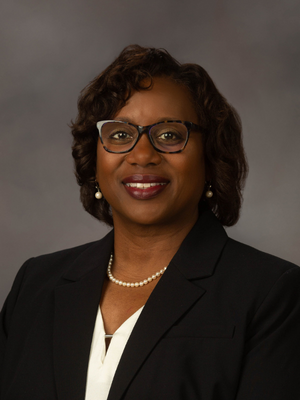
“This program has allowed us to put in place major infrastructure to support the educational program in the future with renovations and equipment,” Jackson-Williams said. “It has supported the professional educational goals for a number of students who have pledged to return to the state to practice medicine and, therefore, care for the citizens of Mississippi.”
During FY26, IMPACT the RACE supported Mosaic, an outreach initiative for rural high school students dually enrolled in high school and college courses; the Exploring Health Care Pathways program; and a prematriculation program for admitted first-year medical students.
Sponsored research funding also helped complete renovations to a Teaching Kitchen, allowing nutrition education to expand to the entire first-year medical school class, supporting the Rural Medicine Education Symposium.
A $3.82 million award for core field center operations of the Jackson Heart Study, led by Dr. April Carson, professor of medicine, helps sustain the long-term study of cardiovascular disease among African Americans in the Jackson metropolitan area.

The FY26 field center investment supports ongoing health surveys, review of medical records, and research infrastructure that allow the Jackson Heart Study to remain a resource for cardiovascular and population-health discoveries.
Finally, a $3.55 million Mississippi Center for Clinical and Translational Research, award is led by Dr. Joey P. Granger, principal investigator and administrative core director. MCCTR supports the infrastructure, expertise, mentorship, pilot funding and collaborations that help Mississippi researchers develop promising ideas and move discoveries toward improved health.
Its Pilot Projects program, for example, allows investigators to test ideas and generate preliminary evidence needed to pursue larger NIH awards.
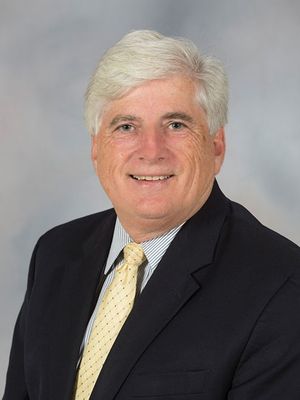
“The IDeA program has helped shift Mississippi from being structurally disadvantaged in biomedical research to becoming strategically competitive,” Granger said. “It has built infrastructure, trained investigators, expanded partnerships, improved sponsored-research competitiveness and created the conditions for sustained translational research in a historically underfunded state.”
MCCTR also connects UMMC with Mississippi State University, the University of Mississippi, the University of Southern Mississippi and Tougaloo College, creating a statewide network for clinical and translational research.
“We are very pleased that we recently received a Notice of Award for an additional five years of funding, approximately $26 million. It is not just about continuing a program,” Granger said. “It’s about securing and scaling a decade’s worth of progress for both the University of Mississippi Medical Center and our MCCTR partners.”
Taken together, leaders say the five awards show how sponsored funding translates into broader access to care, development of Mississippi’s future health workforce, sustained scientific discovery and stronger research capacity.
They represent only a portion of the awards contributing to UMMC’s more than $103.3 million sponsored portfolio during FY26.
“Garnering 303 awards and activating 44 new clinical trials demonstrate the strength of UMMC’s research enterprise,” Bidwell said, “and position us to make discoveries that can positively shape the health of our patients and communities.”