


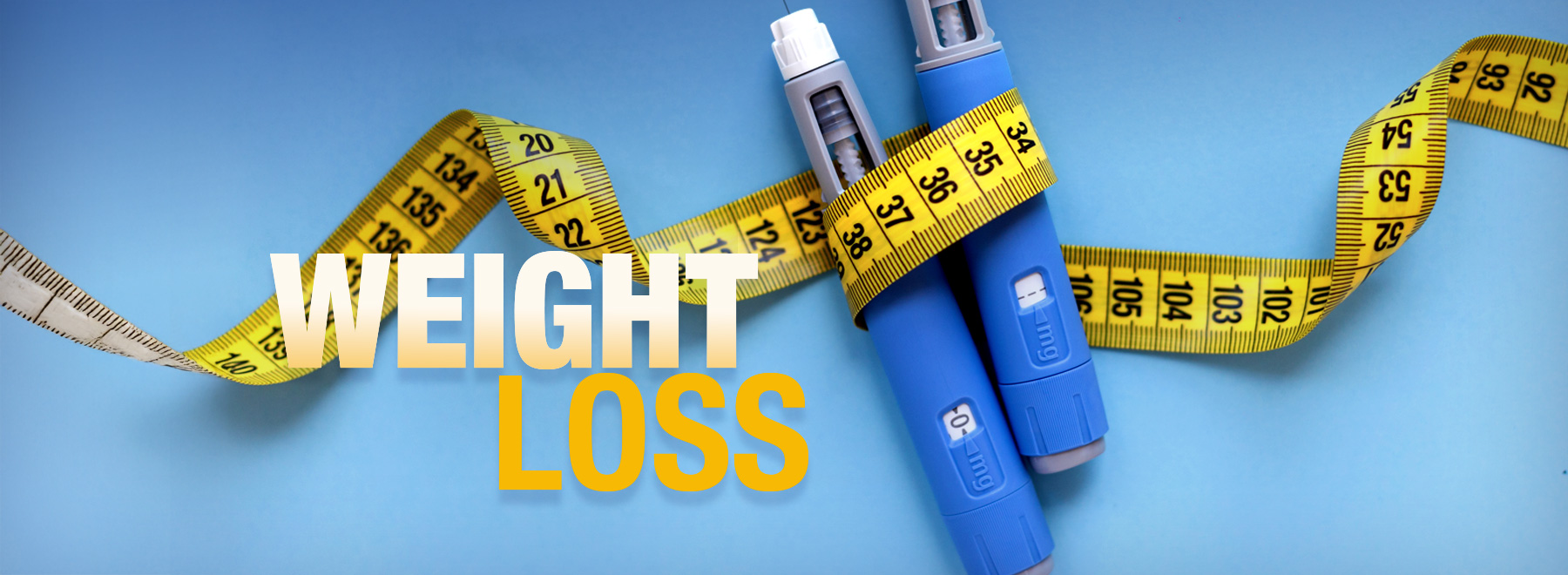
GLP-1 drugs are among an array of tools used to manage weight goals
Drugs initially approved for diabetes are now an accepted part of fighting obesity and could soon become cheaper for eligible patients.
Still, experts stress the multifaceted meds are but one piece of a larger puzzle for managing one’s weight.

“Obesity is a chronic disease that needs chronic management,” said Dr. Elizabeth Fryoux, associate professor of medicine and obesity medical director at the University of Mississippi Medical Center. “That means patients making frequent visits to their health care provider and helping them adjust their lifestyle habits alongside proper use of GLP-1 drugs if they’re eligible.”
The term GLP-1 stands for glucagon-like peptide-1 and refers to the shape of the peptide hormone that forms the chemical structure of the medication. Most prescribed in the class of meds are semaglutide and tirzepatide. The meds work by suppressing a person’s appetite by mimicking the hormone that tells the brain when they’re full after a meal.
In general, Fryoux said, two groups of patients are eligible for the types approved for weight loss – those with a body mass index (BMI) of 27 and have other health conditions such as high blood pressure, arthritis or sleep apnea and those with a BMI of 30 or higher without any added health conditions.
The anti-diabetic version of semaglutide is sold under the brand names Ozempic and Rybelsus and come in pill form in addition to injections if desired. Its weight management version is sold as Wegovy. Versions of tirzepatide are sold as either Zepbound, for weight management, or Mounjaro, for diabetes, and must be injected under the skin for all eligible patients. Also approved in the category for weight loss is liraglutide, sold as Saxenda.
Earlier this month, the World Health Organization added GLP-1 drugs to the list of long-term treatment strategies combined with healthy diets and physical activity. The updated guidelines came the same week the makers of Zepbound announced a price cut for single-dose vials of the drug amid surging demand and more study on how the drugs could also lower risk for obesity-related conditions.
Studies since 2017, when semaglutide was first approved for medical use in the U.S., have shown each can produce weight loss anywhere from 8% to 20% depending on various factors and reduce the risk of cardiovascular disease due to the loss. Tirzepatide is also approved for sleep apnea, often a secondary condition with obesity.
“The other differences between them are the nuances with the dosing,” Fryoux said. “For example, the max dosage of Ozempic is 2 milligrams, whereas Wegovy has a midrange dose of 1.7 milligrams and a max of 2.4 milligrams. And liraglutide only goes up to 1.8 milligrams daily for diabetes and 3 milligrams for weight loss. Normally, I have my patients go down gradually to the lowest effective dose just to maintain them. Whether the recommended doses change will depend on more studies being done.”
“The main side effects for eligible patients are nausea, heartburn and diarrhea and/or constipation,” she said. “I tell people we will be sure to formulate the medication in a way that won’t make the side effects worse. I tell them fried or fatty foods will also make those side effects worse. Patients will want to limit that in their diet, especially on injection days.”
More rare side effects include stomach paralysis in diabetic patients and medullary thyroid cancer in those who have a family history of it, Fryoux said. Similarly, options for patients are weighed more carefully for those who have had their gall bladder removed or report having pancreatitis while taking them. “In those specific cases, I’d recommend stopping these medications.”
Adjusting daily diets and exercising more – a key part of any weight loss plan, whether it’s with the new drugs or not – will also minimize the side effects of GLP-1 meds.
“For patients starting out on GLP-1’s, I emphasize eating small, frequent meals daily instead of large meals, plus drinking appreciable amounts of water to guard against constipation,” she said. “The focus for them should be on lean proteins such as turkey, salmon or beans, with the overall diet being more whole foods and less processed foods.”
Exercising properly while on any GLP-1 drug usually means about 2 ½ hours weekly of some type of aerobic activity such as walking or cycling, Fryoux said, plus some strength training twice weekly. Patients on the drugs should visit their primary care physician every three months, she said.
“I really push strength training for people on these medicines because we know that when we lose weight, we lose both fat and muscle together,” she said. “It’s the one thing that can help preserve your muscle mass and in turn keep up your metabolism. The training can be working with small weights, wearing resistance bands or doing body weight activities like push-ups.
“Also, seeing patients as often as we can helps them with accountability as they address their weight goals. It truly takes an entire team of professionals to assist with all the factors that go into it.”
Patients are also referred to dietitians, exercise physiologists and psychologists, all of whom can help someone handle the mental part of losing weight – specifically the difference between healthy and unhealthy weight loss.

“The new drugs make us more sensitive to feeling full and reducing appetite, but they’re not a magical fix,” said Dr. Steve Smith, a clinical psychologist at UMMC who works with Fryoux and others on the weight management team based at Riverchase-UMMC in Flowood. “It’s not just about a number on a scale. It’s about improved overall health through things like increased energy and improved mobility.”
Structured weight management programs put together by specialists on the team involve steps to avoid “emotional eating” and losing too many key nutrients as a result of losing pounds, Smith said.
Patients trying to lose weight the right way can win the mental part daily by ridding personal spaces of “trigger foods” like candy bars and by slowing down when eating meals of any variety.
“Take small bites and eat slowly,” Smith said. “Think about the taste and smell of the food. Stretch the time out by enjoying each bite. It takes the hormones that signal fullness 15-20 minutes to kick in. Patients who encounter difficulties or need additional support are referred to appropriate providers for assistance.”
For more information on adult weight management, weight loss medication or making an appointment, contact Riverchase-UMMC at 601-984-1285 or visit here.
The above article appears in CONSULT, UMMC’s monthly e-newsletter sharing news about cutting-edge clinical and health science education advances and innovative biomedical research at the Medical Center and giving you tips and suggestions on how you and the people you love can live a healthier life. Click here and enter your email address to receive CONSULT free of charge. You may cancel at any time.