


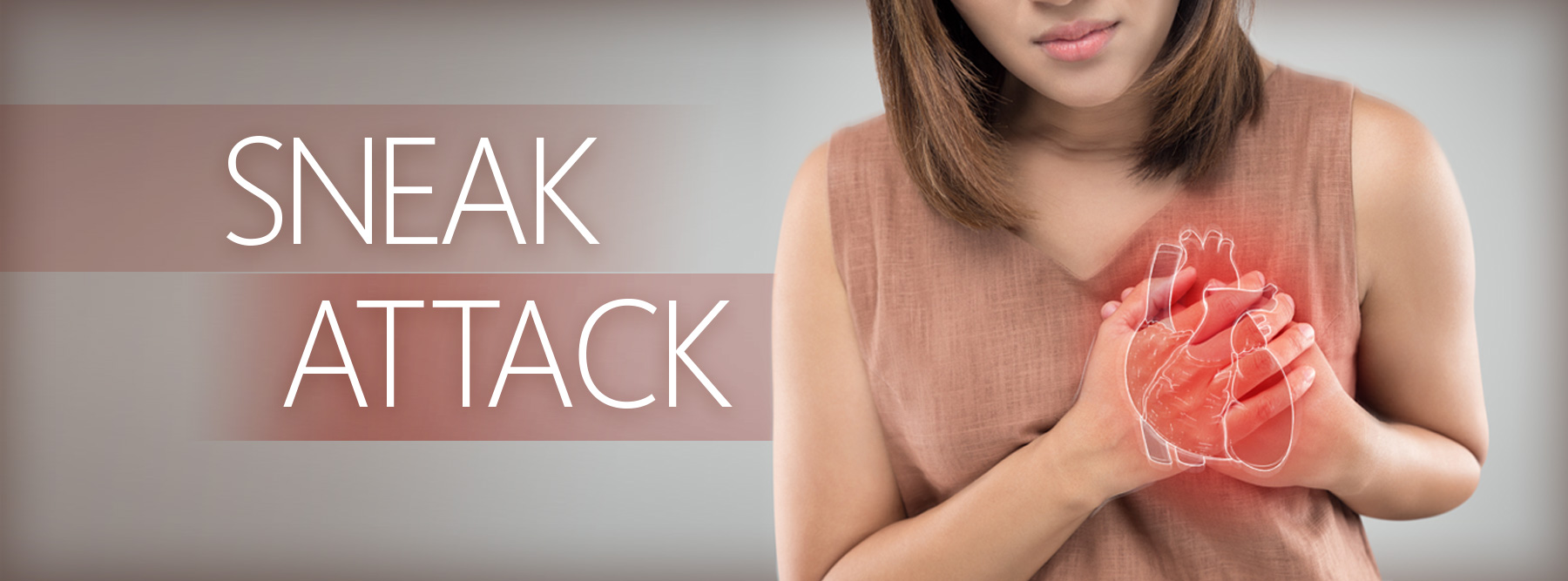
The quieter warning signs of heart disease in women
Women are urged to “know their numbers” and protect their hearts. But many women still don’t recognize when their own bodies are signaling a problem. The reason, cardiologists say, is that heart disease in women often does not look the way they expect.
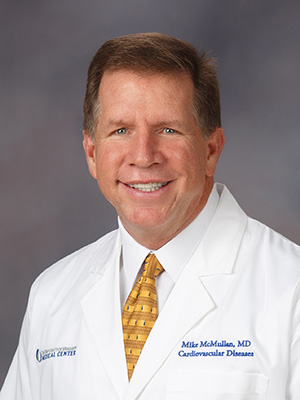
“Heart disease is the leading cause of death for both women and men, higher than all forms of cancer combined,” said Dr. Michael McMullan, chief of the Division of Cardiology. “Yet many women don’t realize their risk is just as high as men's.”
Women are just as likely to die from heart disease as men. After menopause, the risk rises sharply. Still, many women underestimate their vulnerability, sometimes delaying care until serious damage has already occurred.
Most people are familiar with the classic warning signs of a heart attack: chest pressure, pain radiating into the arm or jaw, shortness of breath, nausea and cold sweats. Those symptoms still matter, McMullan said, and they occur in both men and women. But women often experience something different.
“They are more likely to have subtle or atypical symptoms that don’t fit the traditional picture,” he said.
Instead of crushing chest pain, a woman may feel overwhelming fatigue that lingers for days, discomfort in the neck, jaw or upper back, shortness of breath without chest pain, nausea or even a vague sense of anxiety or dread.
Because these symptoms resemble stress, indigestion or exhaustion, they are often dismissed by patients and sometimes even by clinicians, which can delay lifesaving diagnoses and care.
While women develop the same plaque blockages in arteries as men, they are more likely to experience conditions that don’t show up easily on traditional testing.
One such condition, microvascular disease, affects the heart’s smallest blood vessels, causing chest pain. Damage to the inner walls of these small blood vessels can cause spasms and reduced blood flow. Another is spontaneous coronary artery dissection (SCAD) — a tear in the artery wall that can occur in younger, otherwise healthy women.
“These conditions don’t always appear on standard imaging the way classic blockages do,” McMullan said.
Hormones also play a major role in women’s heart health.
“Estrogen provides a degree of natural protection by helping keep blood vessels flexible and supporting healthy cholesterol levels,” he said. “This protective effect is one reason premenopausal women tend to have lower rates of heart disease. After menopause, estrogen levels drop significantly, and the risk of heart disease rises quickly, making this a critical time for women to pay close attention to their cardiovascular health.”
Many risk factors are shared by both men and women such as high blood pressure, high cholesterol, diabetes, smoking and family history. However, some conditions carry a greater risk for women.
Diabetes, for example, increases the risk of heart disease more in women than in men, and smoking is particularly damaging to women’s arteries. Autoimmune disorders, which are more common in women, also contribute to a higher cardiovascular risk.
Pregnancy history also matters, McMullan said. “Pregnancy can act as an early stress test for the heart. Complications such as preeclampsia, gestational diabetes and high blood pressure during pregnancy are now recognized as predictors of future heart disease. Women who experience these conditions have a higher lifetime risk and should receive ongoing monitoring and preventative care long after pregnancy ends.”
Any symptoms that could indicate a heart attack require immediate evaluation in the emergency room.
“Chest pressure, sudden breathlessness, nausea, sweating, pain in the jaw, neck or upper back, and sudden unusual fatigue or anxiety should never be brushed off. When there is uncertainty, the ER is always the safer option,” McMullan said.
Women should speak with their physician about routine screenings including: blood pressure checks, cholesterol and triglyceride testing, blood sugar screening, weight and waist measurements and family history review.
Depending on risk, additional tests such as stress testing or coronary calcium scoring may be appropriate.
“Heart disease is not just a man’s problem,” McMullan said. “Women’s symptoms can be quieter or more subtle, but the danger is just as real. Paying attention to changes in the body and seeking care quickly can make all the difference.”
To schedule an appointment with a UMMC cardiologist, call 601-984-5678 or visit us online.
The above article appears in CONSULT, UMMC’s monthly e-newsletter sharing news about cutting-edge clinical and health science education advances and innovative biomedical research at the Medical Center and giving you tips and suggestions on how you and the people you love can live a healthier life. Click here and enter your email address to receive CONSULT free of charge. You may cancel at any time