



Newborn jaundice: Common, treatable and important to watch
New parents may become alarmed when they notice their baby’s skin turning a shade of yellow. That’s jaundice, a common condition among newborns.
Jaundice is the build-up of bilirubin in a baby’s blood. Bilirubin comes from red blood cells and is removed by the liver. Most babies develop jaundice after birth because it takes a few days for the baby’s liver to improve in filtering out bilirubin, according to HealthyChildren.org, a website of the American Academy of Pediatrics.
Most of the time, jaundice isn’t serious and will go away on its own, but neonatologists watch for symptoms of it as complications from untreated jaundice can be severe. These include cerebral palsy, hearing loss, cognitive disabilities and problems with eyesight and teeth. A blood test of a sample from a baby’s heel can let doctors know if bilirubin levels are high.
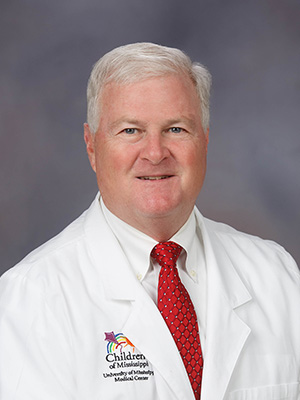
"We test every infant at approximately 24 hours of age,” said Dr. Billy Mink, professor of neonatology at the University of Mississippi Medical Center. “Once we obtain the blood level of bilirubin, we use experience, formulated graphs and scientific guidelines to determine if that number is high enough to treat.”
Babies with jaundice are treated by being placed undressed under phototherapy blue lights, which help lower the bilirubin level. This can be done in the hospital or at home.
For breastfed babies, not getting enough breast milk can make jaundice more likely. For that reason, supplementing breast milk with formula helps some babies, the AAP recommends. Mothers who are having problems breastfeeding should talk with their pediatrician or a lactation specialist for help.
Very high bilirubin levels are a medical emergency that could require intensive care. In these cases, treatment could also include a blood transfusion to rapidly decrease the bilirubin level.
"If the bilirubin level is too high, it can cause kernicterus, a disease that affects the brain,” Mink said. “That is what we are preventing, so we are very focused on finding out if an infant has a higher bilirubin level.”
Signs of jaundice to look for are a yellowing of the skin, starting in the face and then moving to the chest, abdomen, arms and legs as bilirubin levels rise. The whites of the eyes may also become yellow.
Babies who may be at risk for jaundice may need to be seen soon after hospital discharge for bilirubin levels to be checked. Children’s of Mississippi has a follow-up clinic for babies whose bilirubin levels need to be checked after going home from the hospital.
To make an appointment with a Children’s of Mississippi pediatrician, call 888-815-2005 or go online.
The above article appears in CONSULT, UMMC’s monthly e-newsletter sharing news about cutting-edge clinical and health science education advances and innovative biomedical research at the Medical Center and giving you tips and suggestions on how you and the people you love can live a healthier life. Click here and enter your email address to receive CONSULT free of charge. You may cancel at any time