


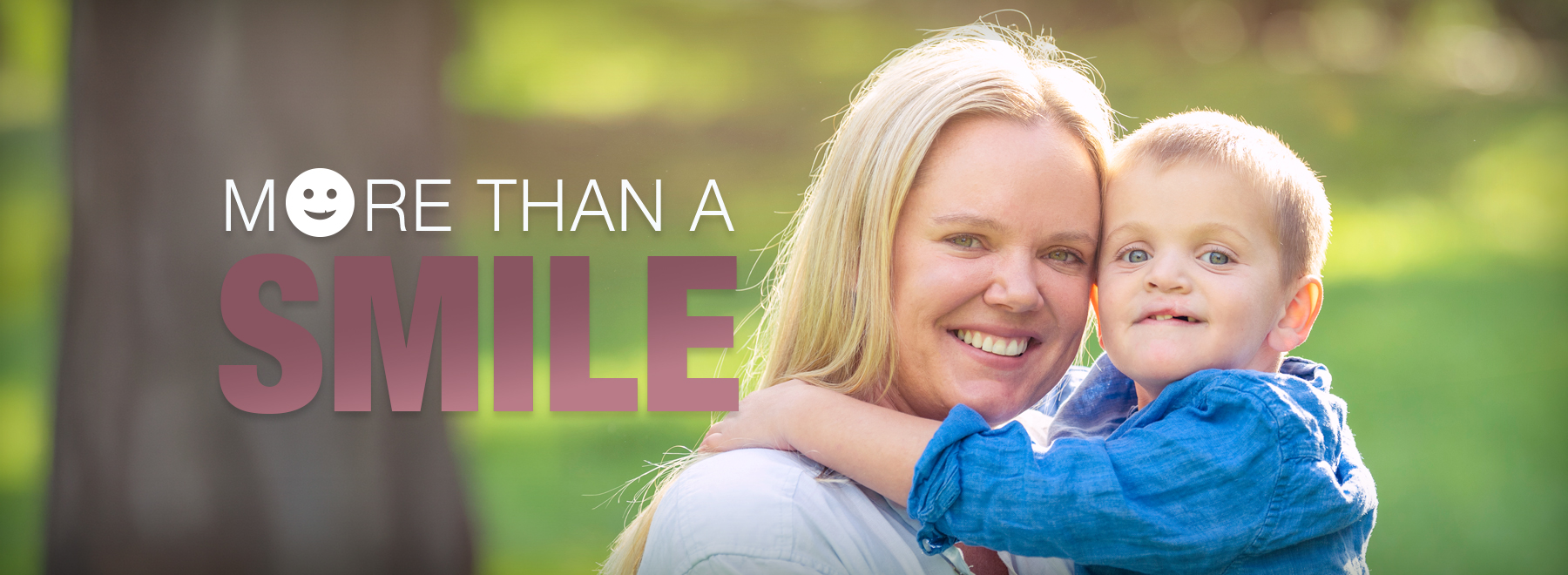
Coordinated cleft and craniofacial care promotes healthy, active lives
When people think of cleft lip or cleft palate, they often focus on appearance. But for children born with cleft and craniofacial conditions, the impact extends far beyond what can be seen. With coordinated, multidisciplinary care, these children can overcome challenges and lead healthy, active lives.
According to the Centers for Disease Control and Prevention, cleft lip with or without cleft palate affects about 1 in every 1,031 babies born in the United States, while cleft palate alone occurs in about 1 in every 1,563 births. Cleft lip and cleft palate are among the most common birth differences in the country, making early diagnosis and access to specialized care critical.
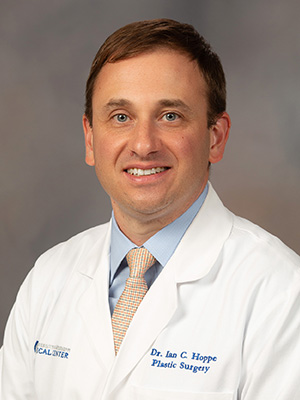
Dr. Ian Hoppe, director of the Children’s of Mississippi Stephanie and Mitchell Morris Center for Cleft and Craniofacial Innovation and Research, is encouraging families and the community to better understand the lifelong care these children may need.
"One of the biggest misconceptions is that a cleft lip or cleft palate is simply an issue related to appearances," Hoppe said. "In reality, these conditions can affect many of the most important functions a baby relies on every day, including feeding, hearing, speech, dental development and, in some cases, breathing."
While restoring appearance is an important part of treatment, Hoppe said the primary goal is helping each child eat well, communicate clearly, grow and develop normally, and thrive throughout childhood and into adulthood.
Children with cleft and craniofacial conditions often require care from multiple specialists as they grow. In addition to surgery, treatment may include speech therapy, hearing evaluations, dental and orthodontic care, along with emotional support to help children build confidence and participate fully in school, family life and their communities.
At the children’s hospital, families receive coordinated care through the Morris Center, where surgeons, speech-language pathologists, audiologists, orthodontists, dentists, nurses, psychologists and other specialists work together to create individualized treatment plans.
"Rather than trying to navigate appointments with multiple specialists on their own, families can receive comprehensive, coordinated care in one place," Hoppe said. "That collaborative approach not only improves outcomes but also gives families confidence that they have an entire team walking alongside them throughout their child's journey."
For Hoppe, some of the most rewarding moments happen long after surgery.
"It's seeing a baby who once struggled to feed begin to grow and thrive. It's hearing a child speak clearly for the first time or watching a teenager smile confidently in a school photo after years of treatment," he said. "Being trusted to be part of that journey is incredibly rewarding."
For families receiving a new diagnosis, Hoppe hopes they remember one thing: they are not alone.
"It's completely natural to feel overwhelmed at first, but there is hope, and there is a clear path forward," he said. "With understanding, acceptance and access to specialized care, children with cleft and craniofacial conditions can lead healthy, successful lives."
To make an appointment with The Stephanie and Mitchell Morris Center for Cleft and Craniofacial Research and Innovation, call (601) 815-3264 or click here.
The above article appears in CONSULT, UMMC’s monthly e-newsletter sharing news about cutting-edge clinical and health science education advances and innovative biomedical research at the Medical Center and giving you tips and suggestions on how you and the people you love can live a healthier life. Click here and enter your email address to receive CONSULT free of charge. You may cancel at any time.