


Know these warning signs, and dangers, of an unhealthy thyroid
You may not think often about your thyroid gland; but it’s constantly thinking about you.
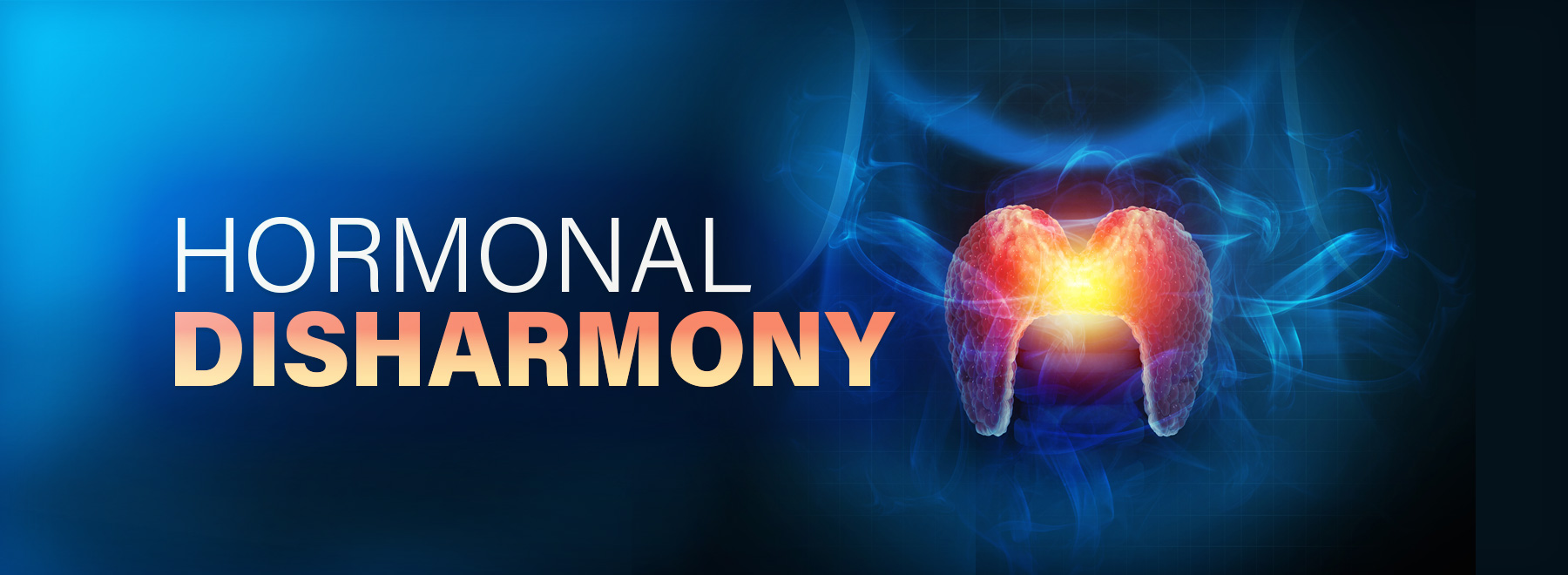
The butterfly-shaped gland in the front of your neck affects every cell and organ in your body.

“A healthy thyroid is essential because thyroid hormones regulate metabolism, growth and development across nearly all organ systems, affecting energy production, heart rate, body temperature, brain function and protein synthesis,” said Dr. Licy Yanes Cardozo, professor of medicine-endocrinology at the University of Mississippi Medical Center.
You may be one of nearly 20 million people in this country who have a form of thyroid disease, and one of about 10 million who don’t realize it, reports the American Thyroid Association.
Producing two main hormones, the thyroid regulates the rate at which our body burns calories, how it uses and stores energy, the strength of the heart and brain health and mood, said Dr. Virginia Wright, UMMC assistant professor of medicine-endocrinology.

The “Goldilocks” principle applies: “Too much or too little is a problem,” Wright said.
“Thyroid disorders, such as hypothyroidism [not enough hormones], hyperthyroidism [a hormone oversupply], or Grave’s disease, and congenital hypothyroidism, are some of the most common endocrine conditions.”
Compared to men, women are five to eight times more likely to have thyroid problems. In pregnancy, they can be odious. “During the first trimester, a fetus depends entirely on the mother’s thyroid hormones for brain and organ development,” Wright said.
“Deficiencies can lead to permanent brain structural changes and intellectual disabilities. Untreated thyroid issues increase the risk of miscarriage, preeclampsia and preterm birth.
“Thyroid health is equally critical for male fertility and function. High or low thyroid levels can lower testosterone levels, leading to reduced sex drive and erectile dysfunction.”
Signs of hypothyroidism: low energy, over-sensitivity to cold, coarse or thin hair, constipation.
“Low levels of thyroid hormones can also weaken the heart, which may cause shortness of breath and swelling in the ankles,” Yanes Cardozo said. “Elevated blood pressure and cholesterol could also result.”
Overactive-thyroid indicators include anxiety, irritability or trouble sleeping and weakness – “especially in the arms and thighs, which can make it hard to lift heavy things or climb stairs,” Wright said.
“Trembling, sweating a lot, having trouble dealing with hot weather, a fast or uneven heartbeat, tiredness, weight loss without trying and frequent bowel movements are other symptoms.”
Most signals do not warrant emergency care, but some conditions can be life-threatening: “altered mental status, hypothermia, profound lethargy or cardiovascular instability,” Yanes Cardozo said. “Those may indicate myxedema coma, which has mortality rates of 25-70% and requires immediate hospitalization and treatment in the ICU.”
Also worrisome: slow heart rate, shallow breathing, low blood pressure, chest pain, irregular heartbeat, severe anxiety and confusion.
You can’t check your thyroid hormone levels at home. Instead, your health care provider can order a thyroid-stimulating hormone test. “If the levels are borderline abnormal, the test should be repeated before treatment starts, as values can be normalized in the repeat lab test,” Yanes Cardozo said.
Thyroid disease can be hereditary, including Grave’s disease and Hashimoto’s thyroiditis, which could trigger hypothyroidism. Hormone replacement is the primary treatment.
To protect your thyroid health, certain measures may help. Sticking to the heart-healthy Mediterranean diet is one. For patients with Hashimoto’s, avoiding lactose or gluten could be beneficial, but only if they are already sensitive to those substances.
“Thyroid support” supplements aren’t recommended; they can cause an overactive thyroid. Certain minerals are vital for thyroid health – iodine, selenium, iron, zinc, magnesium – as are vitamins A, B12 and D.
“However, supplementation is generally only beneficial when deficiency exists; excessive intake of some nutrients can actually worsen thyroid disease,” Yanes Cardozo said.
— — —
To request an appointment with an endocrinologist, call 601-984-5525; for online appointments, go here.
The above article appears in CONSULT, UMMC’s monthly e-newsletter sharing news about cutting-edge clinical and health science education advances and innovative biomedical research at the Medical Center and giving you tips and suggestions on how you and the people you love can live a healthier life. Click here and enter your email address to receive CONSULT free of charge. You may cancel at any time.