


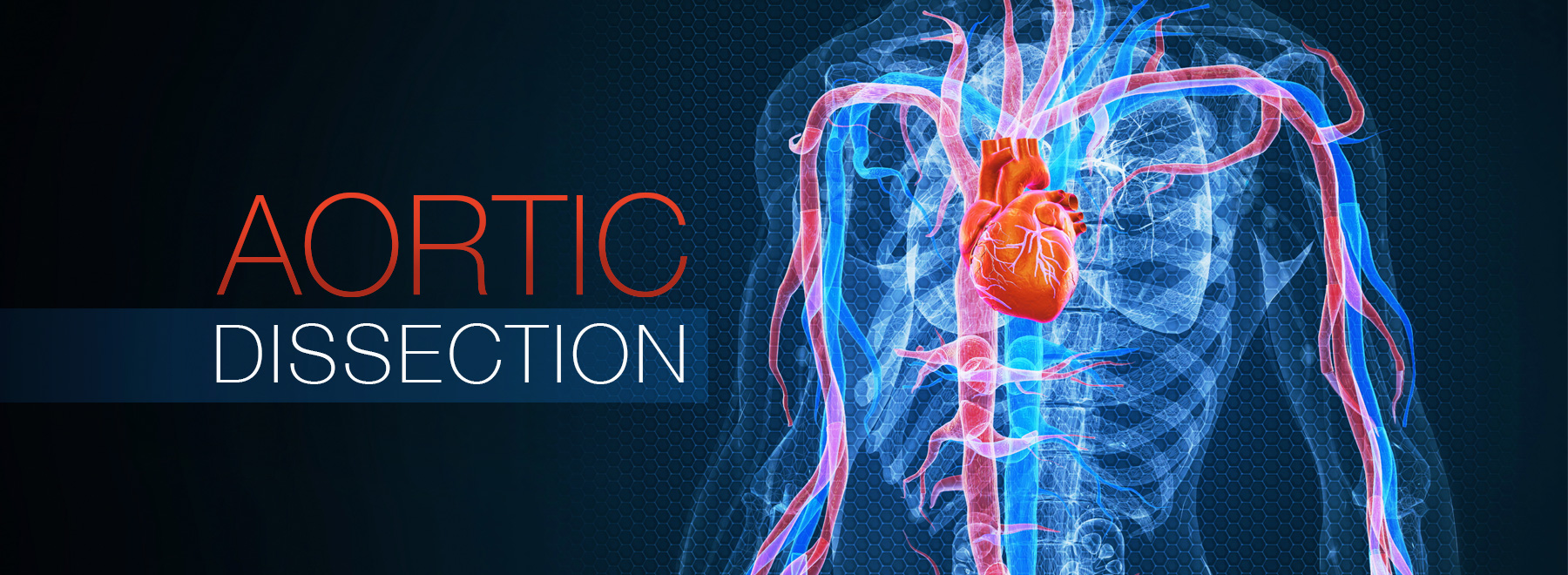
Every minute matters in one of the deadliest cardiovascular emergencies
The sudden death of U.S. Sen. Lindsey Graham from complications of an aortic dissection has renewed public attention to one of the most dangerous emergencies in cardiovascular medicine – a condition that can become fatal within hours or minutes, if not recognized and treated quickly.
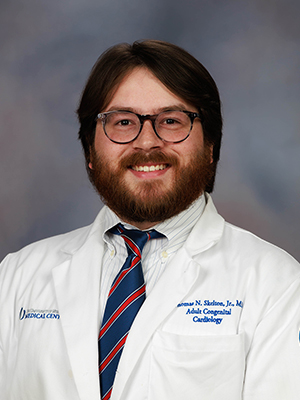
Unlike a heart attack, which blocks blood flow to the heart muscle, an aortic dissection begins when the inner lining of the body's largest artery tears. “This allows high-pressure blood to tear between the layers of the artery, which can spread down the artery, cause severe pain and block other blood vessels,” said Dr. Thomas Skelton Jr., assistant professor of cardiology at the University of Mississippi Medical Center.
"It's one of the most life-threatening cardiovascular emergencies because it progresses rapidly and often mimics other conditions such as heart attacks, pulmonary embolisms and strokes."
The aorta carries oxygen-rich blood from the heart to the rest of the body. Its walls are made of three layers designed to endure tremendous pressure.
“Because the inner layers of the aorta are not designed to withstand high blood pressure, blood travels between those layers, filling them with blood and potentially blocking branches of the aorta, including those leading to the brain, which can cause a stroke,” Skelton said. “The artery can also rupture, causing massive bleeding inside the chest.”
Although both conditions often produce severe chest pain, they require very different treatments.
Misdiagnosing either can have devastating consequences.
"The two conditions require completely different treatments, and misdiagnosis as a heart attack can be fatal," said Dr. Douglas A. Wolfe, professor of medicine in the Division of Cardiovascular Diseases.
While the tear itself happens suddenly, the disease process often develops silently over decades, said Wolfe, citing chronic high blood pressure as the leading culprit.
Constant pressure gradually weakens the aortic wall, damaging the elastic fibers and collagen that give the vessel its strength. Cholesterol buildup and inflammation further weaken the artery, while tiny blood vessels that nourish the aortic wall may also deteriorate.
"Aortic dissection is almost always the culmination of years of progressive weakening of the aortic wall," Wolfe said. "A sudden spike in blood pressure, intense physical exertion or even the normal forceful motion of the heart can be the final straw on an already weakened wall."
For physicians treating aortic dissection, every minute matters.
"The most important factor is time," Skelton said. "If the tear is found early, medications can reduce blood pressure and heart rate to slow the dissection, but many patients still require emergency surgery."
The danger depends largely on where the tear begins.
- A Type A dissection, involving the ascending aorta closest to the heart, is the most dangerous because it can block blood flow to the brain, rupture into the sac surrounding the heart or rapidly become fatal. These patients usually require immediate open-heart surgery.
- A Type B dissection, which occurs farther down the aorta, can often be managed initially with intensive blood pressure control and, when necessary, minimally invasive endovascular procedures performed through an artery in the groin.
Historically, untreated Type A dissections carry an estimated mortality risk of 1 percent to 2 percent every hour after symptoms begin.
Citing data from the International Registry of Acute Aortic Dissection, or IRAD, Wolfe said patients who undergo emergency surgery have dramatically better outcomes than those who do not receive prompt treatment. Today, approximately 80 percent to 82 percent of patients survive Type A repair, while 30-day survival for Type B dissections ranges from 83 percent to 90 percent. Survival has steadily improved over the past two decades because of faster diagnosis, specialized aortic centers and advances in surgery and endovascular technology.
The classic symptom is sudden, severe chest pain often described as tearing or ripping and radiating between the shoulder blades. But not everyone experiences textbook symptoms.
Dissections may resemble heart attacks, strokes or abdominal emergencies, making diagnosis especially challenging.
"Any sudden-onset chest pain or discomfort should be evaluated immediately," Skelton said. "Chest pain is always concerning and should never be ignored."
Nevertheless, aortic dissection is uncommon. It occurs in approximately three out of every 100,000 people per year. The risk factors include:
- Uncontrolled high blood pressure
- A family history of aortic aneurysm or dissection
- Marfan syndrome, Loeys-Dietz syndrome and Ehlers-Danlos syndrome
- Bicuspid aortic valve
- Smoking
- Cocaine or stimulant use
- Advanced age, particularly men in their 60s and 70s
Even younger, healthy-looking individuals are not immune.
While an aortic dissection is often life-threatening, prompt diagnosis and expert treatment can save lives. Many patients return to active, fulfilling lives – including Jackson City Councilwoman Tina King Clay, who resumed serving her community after surviving an aortic dissection and undergoing surgery at UMMC. Watch her inspiring recovery in this video.
Patients typically require lifelong follow-up with cardiologists, routine CT or MRI imaging and strict blood pressure management.
"Blood pressure control is arguably the single most important factor in preventing recurrence," Wolfe said. Guidelines recommend maintaining a systolic blood pressure below 120 mmHg, often requiring several medications, including beta-blockers (e.g., metoprolol, atenolol, labetalol); ACE inhibitors or ARBs (e.g., lisinopril, losartan); statins to manage cholesterol; and, in some patients, calcium channel blockers (e.g., diltiazem).
Even after successful treatment, the remaining aorta remains vulnerable. Studies show the vessel may continue to enlarge over time, and approximately 10 percent to 16 percent of patients require additional aortic surgery within 10 years.
Both cardiologists say the greatest opportunity to reduce deaths is public awareness.
Wolfe said, “Advances in surgical techniques, faster diagnosis with CT scanning, the growth of specialized aortic centers, and the introduction of endovascular stent grafts for Type B dissection have all contributed to improved survival rates.
For appointments with University Heart, call 601-984-5678.
The above article appears in CONSULT, UMMC’s monthly e-newsletter sharing news about cutting-edge clinical and health science education advances and innovative biomedical research at the Medical Center and giving you tips and suggestions on how you and the people you love can live a healthier life. Click here and enter your email address to receive CONSULT free of charge. You may cancel at any time.